

Public Health
"Public Health" is the science and art of preventing disease, prolonging life, and promoting health through the organized efforts and informed choices of society, organizations, public and private communities, and individuals. Unlike clinical medicine, which focuses on diagnosing and treating diseases in individual patients, public health takes a population-level approach. Its goal is to improve the health and well-being of entire communities and populations, rather than just individual patients.
Core Functions of Public Health
Public health activities are often categorized into three core functions:
Assessment
- Monitoring Health Status: Systematically collecting, analyzing, and disseminating information on health status, disease incidence, prevalence, and risk factors in the community (this is Public Health Surveillance).
- Diagnosing and Investigating Health Problems and Hazards: Investigating outbreaks, identifying environmental hazards, and tracking emerging health threats.
- Research: Conducting research to gain new insights and innovative solutions to health problems.
Policy Development
- Informing, Educating, and Empowering People: Communicating health information, promoting healthy behaviors, and engaging communities in health initiatives.
- Mobilizing Community Partnerships: Bringing together diverse groups (e.g., community organizations, businesses, healthcare providers) to address health issues.
- Developing Policies and Plans: Creating and advocating for policies, laws, and plans that support individual and community health efforts.
Assurance
- Enforcing Laws and Regulations: Ensuring compliance with health-related laws and regulations (e.g., food safety, environmental protection).
- Linking People to Needed Services: Ensuring access to healthcare, preventive services, and other health-promoting resources.
- Assuring a Competent Public Health and Personal Healthcare Workforce: Training and maintaining a skilled workforce.
- Evaluating Effectiveness, Accessibility, and Quality of Health Services: Assessing whether health programs and services are achieving their goals.
- Providing Essential Personal Health Services: In some cases, directly providing services that would otherwise be unavailable.
Key Disciplines within Public Health
Public health is highly interdisciplinary, drawing from various fields:
Epidemiology
The study of the distribution and determinants of health-related states or events in specified populations, and the application of this study to the control of health problems. (This is the fundamental science of public health).
Biostatistics
Application of statistical methods to biological and health-related data.
Environmental Health
Addressing physical, chemical, and biological factors external to a person, and all related factors impacting behaviors, that can affect health.
Health Policy and Management
Focuses on the organization, financing, and delivery of healthcare services, and the development of health policies.
Social and Behavioral Sciences
Understanding the social, cultural, and behavioral factors that influence health and disease.
Global Health
Addressing health issues that transcend national borders and require international cooperation.
Examples of Public Health Achievements
Public health efforts have led to dramatic improvements in human health and longevity
Examples of Public Health Achievements
Public health efforts have led to dramatic improvements in human health and longevity:
- Vaccination Programs: Eradication of smallpox, near-eradication of polio, significant reduction in measles, mumps, rubella, diphtheria, tetanus, etc.
- Improved Sanitation and Hygiene: Clean water, sewage systems, food safety regulations.
- Motor Vehicle Safety: Seatbelt laws, drunk driving campaigns.
- Control of Infectious Diseases: Antibiotics, disease surveillance, outbreak response.
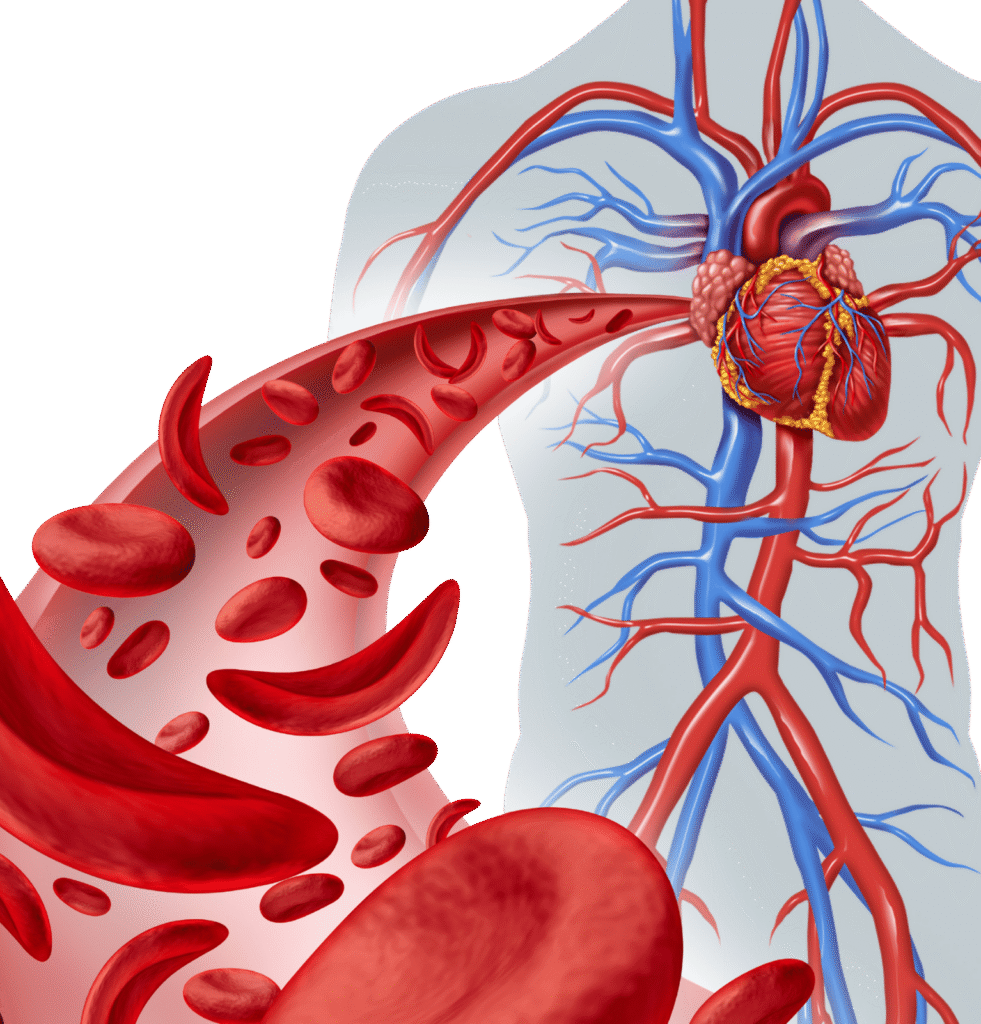
- Decline in Deaths from Heart Disease and Stroke: Due to efforts in blood pressure control, cholesterol management, and smoking cessation.
- Safer Workplaces: Occupational health and safety regulations.
- Tobacco Control: Public awareness campaigns, smoking bans, taxation.
- Fluoridation of Drinking Water: Reduced dental caries.
The Indispensable Role of Diagnostic Laboratories in Public Health
Diagnostic laboratories are absolutely fundamental to public health. They serve as the “eyes and ears” for identifying and tracking health threats:
- Disease Surveillance: Labs provide the definitive diagnosis of infectious diseases (viral, bacterial, fungal, parasitic), which is crucial for mandatory reporting to public health authorities. This data allows for the detection of outbreaks and monitoring of disease trends.
- Antimicrobial Resistance (AMR) Monitoring: Labs identify drug-resistant pathogens, and this data is aggregated to track AMR trends, inform treatment guidelines, and guide public health interventions to combat resistance.
- Environmental Monitoring: Labs test water, food, and environmental samples for pathogens, toxins, or contaminants that could pose public health risks.
- Newborn Screening: Labs perform tests on all newborns to detect treatable genetic and metabolic disorders early, preventing severe health consequences.
- Vaccine Efficacy/Effectiveness: Labs confirm cases of vaccine-preventable diseases and perform serological tests to assess population immunity, informing vaccination strategies.
- Outbreak Investigation: During outbreaks, labs rapidly identify the causative agent, perform molecular typing (e.g., whole-genome sequencing) to trace the source and spread, and guide control measures.
- Blood Safety: Labs perform extensive testing on donated blood to prevent the transmission of infectious diseases, a critical public health function.
In essence, public health is about creating conditions where people can be healthy, and diagnostic laboratories provide the essential scientific intelligence needed to achieve that mission.