

Clotting Disorders
"Clotting disorders," also known as thrombophilias or hypercoagulable states, are conditions where the blood has an increased tendency to form clots (thrombi) within blood vessels. These clots can obstruct blood flow, leading to serious and potentially life-threatening complications.
How Normal Clotting Works
Clotting disorders arise when there's an imbalance in this system, often due to a deficiency or defect in the natural anticoagulant proteins, an excess of pro-clotting factors, or other acquired risk factors.
Platelets
Small cell fragments that form a plug at the site of injury.
Coagulation Factors
A cascade of proteins in the blood that work together to form a stable fibrin clot, which reinforces the platelet plug.
Anticoagulant Proteins
Natural proteins in the blood (like Antithrombin, Protein C, Protein S) that regulate and limit clot formation, preventing excessive clotting.
Fibrinolysis
The process of breaking down clots once they are no longer needed.
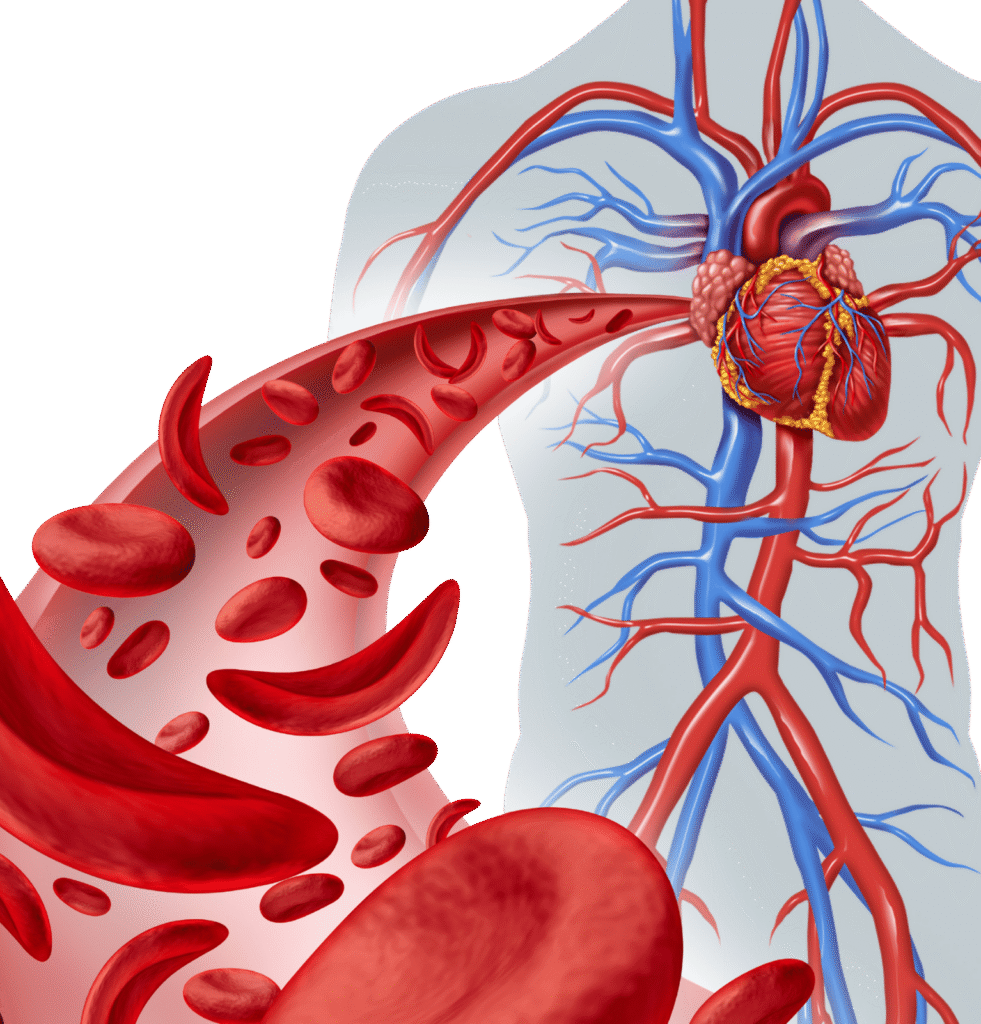
Types of Clotting Disorders (Thrombophilias)
Clotting disorders can be inherited (primary) or acquired (secondary).
Inherited (Primary) Thrombophilias
These are genetic predispositions that make an individual more prone to clotting.
Factor V Leiden Mutation
The most common inherited thrombophilia. A genetic mutation makes Factor V resistant to inactivation by Protein C, leading to prolonged clotting activity.
Prothrombin Gene Mutation (G20210A):
A genetic mutation that leads to increased levels of prothrombin (Factor II), a key clotting protein.
Antithrombin Deficiency
A deficiency in antithrombin, a natural anticoagulant that inactivates several clotting factors.
Protein C Deficiency
A deficiency in Protein C, a vitamin K-dependent protein that inactivates Factor Va and Factor VIIIa.
Protein S Deficiency
A deficiency in Protein S, a cofactor for Protein C.
Dysfibrinogenemia
Rare disorders where fibrinogen (Factor I) is abnormal, leading to impaired clot formation or breakdown.
Acquired (Secondary) Thrombophilias:
These develop over time due to other medical conditions, lifestyle factors, or medications.
Antiphospholipid Syndrome (APS)
An autoimmune disorder where the body produces antibodies (antiphospholipid antibodies) that increase the risk of both arterial and venous clots, and can cause recurrent miscarriages.
Malignancy (Cancer)
Many cancers increase the risk of clotting, often due to tumor cells releasing procoagulant substances.
Surgery or Trauma
Injury to blood vessels, inflammation, and immobility post-surgery can trigger clot formation.
Immobility
Prolonged bed rest, long flights, or paralysis can lead to blood pooling and increased clot risk.
Pregnancy and Postpartum Period:
Hormonal changes, increased clotting factors, and reduced blood flow in veins increase clot risk.
Oral Contraceptives or Hormone Replacement Therapy (HRT):
Estrogen-containing hormones can increase clotting factor levels.
Obesity
Associated with chronic inflammation and changes in clotting factors.
Smoking
Damages blood vessels and increases platelet stickiness.
Advanced Age
Risk of clotting generally increases with age.
Myeloproliferative Neoplasms (MPNs):
A group of bone marrow disorders (e.g., Polycythemia Vera, Essential Thrombocythemia) that can lead to an overproduction of blood cells, increasing clotting risk.
Heparin-Induced Thrombocytopenia (HIT)
A serious, immune-mediated complication of heparin therapy that paradoxically causes severe clotting despite low platelets.
Inflammatory Conditions
Chronic inflammatory diseases can activate the clotting system.
Clinical Importance and Manifestations
The primary clinical importance of clotting disorders lies in their potential to cause:

Clinical Importance and Manifestations
Deep Vein Thrombosis (DVT)
A blood clot in a deep vein, most commonly in the legs. Symptoms include pain, swelling, redness, and warmth.
Pulmonary Embolism (PE)
A life-threatening condition where a DVT breaks off and travels to the lungs, blocking a pulmonary artery. Symptoms include sudden shortness of breath, chest pain, and cough.
Arterial Thrombosis :
Stroke
If a clot blocks blood flow to the brain.
Heart Attack (Myocardial Infarction)
If a clot blocks blood flow to the heart muscle.
Peripheral Artery Disease
Clots in arteries of the limbs.
Recurrent Pregnancy Loss
Especially associated with Antiphospholipid Syndrome.
Other less common sites
Clots can occur in veins of the brain (cerebral venous thrombosis), abdomen (portal vein thrombosis), or kidneys.
Diagnosis and Treatment
Diagnosis
Involves a detailed medical history, physical exam, and specific laboratory tests (e.g., D-dimer, PT/INR, aPTT, specific factor assays, genetic testing for inherited thrombophilias, antiphospholipid antibody panel).
Treatment
Primarily involves anticoagulant medications (blood thinners) to prevent new clots from forming and to stop existing clots from growing. In some cases, thrombolytic drugs may be used to break down existing clots. Lifestyle modifications are also important.
Infection-Induced Hemolytic Anemia
Cause
Certain infections (e.g., malaria, Clostridium perfringens) can directly or indirectly cause red blood cell destruction.